At a Glance
Linen and cotton are both common bedding materials, but they do have differences worth noting. Let's explore them in detail in this post.
Quick Tips
- Decide whether you want a smooth fabric or a rough and durable one.
- Take into account your budget as the two have distinct price points.
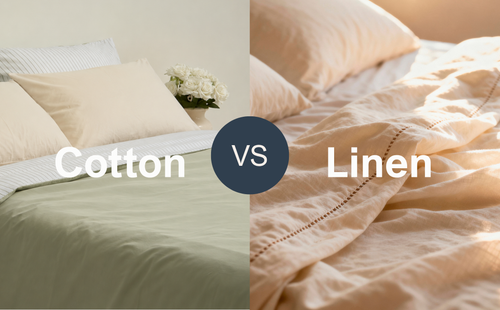
When we think of bedding materials, cotton and linen immediately spring to mind. In fact, some people use the terms “linen sheets” and “cotton bed sheets” interchangeably because the fabrics can look similar at first glance.
However, cotton and linen are made from different plants and offer noticeably different sleeping experiences. Both are natural fibres, but they differ in texture, breathability, care requirements, price, and how they change with use.
This detailed cotton vs linen comparison will help you understand those differences and decide which bed sheets to buy, particularly for Singapore’s warm and humid climate.
Cotton Or Linen: Which Bed Sheet Is Better?
Choosing between cotton and linen ultimately depends on what you value most in your bedding. Instead of asking which fabric is universally better, consider the feel, appearance, and sleeping experience you prefer.
In a video comparing the two materials, Sleep Advisor’s lead reviewers shared a practical way to narrow down the choice:
“Cotton sheets are suited to budget shoppers, those who want a wider variety of colours and patterns, and people who prioritise softness. Linen sheets may appeal to hot sleepers, those seeking sheets that stand the test of time, and those who enjoy a luxurious sheet feel.”
(Sleep Advisor’s Lead Reviewers)
These recommendations are useful starting points, but they are not strict rules. High-quality cotton can also be breathable, durable, and luxurious when made with long-staple fibres and a considered weave.
What Is Cotton?
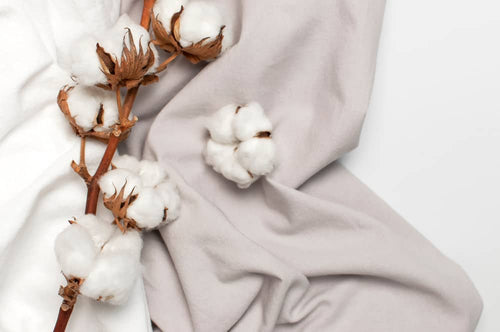
Cotton is a soft natural fibre obtained from the bolls of the cotton plant. After harvesting, the fibres are cleaned, spun into yarn, and woven into fabric.
Not all cotton sheets offer the same quality. The result depends on factors such as fibre length, yarn quality, weave, finishing, and construction, rather than cotton content alone.
In bedding, thread count describes the number of horizontal and vertical threads woven into one square inch of fabric. A suitable thread count can contribute to a smooth, substantial feel, but a higher thread count does not automatically mean better sheets.

Image From Magnific
Pima cotton is grown in several regions, including the United States, Peru, and Australia. However, quality can still vary according to the fibre grade and how the yarn and fabric are produced. Read our full comparison of Pima and Egyptian cotton.
Supima Cotton
Supima® is not a separate plant variety from Pima. It is a trademark used for verified, American-grown, extra-long-staple Pima cotton. Products carrying the Supima® name must be sourced through its licensed supply chain, giving shoppers additional traceability.
Its long fibres can support fine, strong yarns that create a smooth fabric. This makes Supima cotton a popular option for shoppers seeking long-lasting bedding materials.
Pros And Cons Of Cotton
Pros: Cotton is soft, breathable, absorbent, and available in many weaves and price ranges. It can feel crisp or silky depending on its construction, allowing shoppers to choose according to their preferred sleeping experience.

Featuring Weavve Home’s Cotton Deluxe Set
Cons: Cotton can wrinkle and may shrink if it is washed or dried at high temperatures. Its durability varies considerably according to fibre length, yarn quality, weave, finishing, frequency of use, and care. Cotton’s environmental impact also depends on how and where it is grown and processed, so shoppers may wish to look for transparent sourcing and credible certifications or consider alternative bedding fibres, including TENCEL™ Lyocell.
The Cotton Verdict: Cotton is a versatile choice for sleepers who want immediate softness, familiar care, and options across different price points.
What Is Linen?
Linen is a natural textile made from fibres extracted from the stem of the flax plant. Flax fibres are naturally strong and have less elasticity than cotton, contributing to linen’s structured, slightly textured feel.

Image From Magnific
Linen often feels firmer when new but usually becomes more supple through repeated use and washing. It will not necessarily develop the same silky surface as cotton sateen, so the better choice depends on the texture you prefer.
Thread count is less useful when assessing linen because flax fibres are generally thicker than fine cotton yarns. Fewer yarns may fit within the same area, yet the resulting fabric can still be strong and comfortable. For linen, fibre quality, fabric weight, weave, and finishing are more informative than a high thread-count claim.
Belgian And French Flax Linen
Flax is widely cultivated across a temperate coastal region of Western Europe extending through France, Belgium, and the Netherlands. The local climate and generations of agricultural expertise have made this region closely associated with premium flax production.
However, wording on product labels can be confusing. “French flax” or “Belgian flax” may describe where the plant was grown, not where every stage of production took place. Spinning, weaving, finishing, and sewing may occur elsewhere.
If production origin and traceability matter to you, look for supporting certification instead of relying only on geographical wording. For example, Masters of FLAX FIBRE™ verifies the Western European origin and traceability of certified flax fibre, while Masters of LINEN™ covers certified European flax-linen from fibre through yarn and fabric.

Image By Tirachardz From Magnific
Pros And Cons Of Linen
Pros: Linen is strong, breathable, absorbent, and well suited to sleepers who enjoy a relaxed, textured fabric. Its comparatively open construction can encourage airflow, while the fibre can absorb moisture. These qualities make linen an appealing option for warm sleepers and tropical climates. It is also valued for becoming more supple with use.
Cons: Linen sheets commonly cost more because flax processing and linen production are specialised. New linen may initially feel crisp or coarse to sleepers who prefer a silky surface, and its relaxed appearance naturally includes wrinkles. Linen can also shrink when exposed to unsuitable washing or drying conditions, so always follow the manufacturer’s care label rather than relying on a universal shrinkage percentage.
Wash linen using a cool or lukewarm gentle cycle with mild detergent, avoid bleach, and keep drying temperatures low. Separating bedding from items with zips and hooks can also help reduce abrasion.
The Linen Verdict: Linen can be a worthwhile long-term choice for sleepers who value breathability, strength, and a relaxed texture that softens with use.
Cotton Vs. Linen Comparison At A Glance
|
Characteristic |
Cotton |
Linen |
|
Plant source |
Cotton boll |
Flax stem |
|
Initial texture |
Usually soft and flexible |
Usually crisp and textured |
|
Feel over time |
Depends on fibre, weave, and care |
Generally becomes more supple with use |
|
Breathability |
Breathable, with performance varying by weave and density |
Breathable, particularly in more open constructions |
|
Moisture behaviour |
Absorbent |
Absorbent and often quick to release moisture |
|
Durability |
Varies by staple length and construction |
Strong fibre, but lifespan still depends on construction and care |
|
Wrinkling |
Prone to wrinkles |
Naturally develops a relaxed, creased appearance |
|
Cost |
Available across a broad price range |
Usually more expensive |
|
Quality clues |
Fibre length, yarn, ply, weave, and finishing |
Fibre origin, fabric weight, weave, finishing, and traceability |
Discover Weavve Home’s Bedding Collection
Weavve Home’s Cotton Bed Sheets
If cotton feels like the right choice for you, explore Weavve Home’s cotton bed sheets. Made from premium long-staple cotton, they feature a 600 thread count, single-ply sateen weave for a smooth, buttery-soft feel and comfortable everyday sleep.
Cotton also offers greater design flexibility than linen, as it is widely available in more colours and patterns. Alongside our timeless solid shades, Weavve Home is introducing new cotton bedsheet designs featuring subtle patterns and two-toned colour combinations. They offer a simple way to add character to your bedroom while maintaining the calm, versatile look Weavve Home is known for.

Featuring Weavve Home's Upcoming Cotton Bedlinen
Prefer Something Smoother And More Cooling?
If you love an exceptionally smooth feel or tend to sleep warm, consider Weavve Home’s Signature TENCEL™ Lyocell sheets as an alternative. Made with 100% Lenzing TENCEL™ Lyocell fibres, ultra-fine 80s yarn, and a 400 thread count, single-ply construction, they offer a fluid drape and effective moisture management for Singapore’s warm, humid climate.

Featuring Weavve Home’s Signature TENCEL™ Classic Set
Frequently Asked Questions
Can you use cotton sheets with a linen duvet cover?
Yes, you can pair cotton sheets with a linen duvet cover. This combination gives you cotton’s smooth feel against your skin and linen’s relaxed texture as the top layer. Choosing complementary colours can help the mixed materials feel intentional and cohesive.
How can you tell if linen bed sheets are good quality?
Look beyond thread count and check the fibre composition, fabric weight, weave, finishing, and traceability. Quality linen should feel substantial without being excessively stiff and usually becomes more supple with use.
Do cotton and linen sheets require different washing methods?
Both can generally be washed with mild detergent on a cool, gentle cycle, but always follow the product’s care label. Avoiding excessive heat can help minimise shrinkage and preserve the sheets’ fit and feel.
Which material dries faster in Singapore’s humid climate?
Linen often releases moisture and dries quickly, making it a practical option for Singapore’s humidity. However, drying time also depends on the fabric’s thickness, weave, load size, and airflow.
Are cotton-linen blend sheets a good alternative?
Cotton-linen blends can offer a useful balance of softness, breathability, and durability. Cotton can soften linen’s naturally textured feel, while linen adds structure and moisture management. Check the composition label, as the percentages affect how the sheets feel and perform.
Should you consider thread count or fabric weight when comparing sheets?
The more useful measurement depends on the material. Thread count can help compare similarly constructed cotton sheets, but it should not be considered alone. For linen, fabric weight and weave are often more informative because thicker flax yarns naturally produce lower thread counts.
Thoughtfully Made For Better Sleep
Whichever material you choose, quality also means knowing what goes into the bedding you bring home. Weavve Home’s sheets are OEKO-TEX® STANDARD 100 certified, meaning the finished textiles have been tested against the programme’s limits for harmful substances.
We also work with carefully selected manufacturing partners and provide clear bed linen care guidance to help preserve the feel and performance of your sheets for longer. The most comfortable bedding combines quality materials, thoughtful construction, and the right feel for the way you sleep.