At a glance
Discover the most meaningful lucky Chinese New Year foods and their symbolism. Learn how traditional dishes help welcome prosperity, health, and harmony in 2026.
Quick tips
- Serve dishes whole to symbolize abundance and lasting prosperity
- Balance rich foods with lighter dishes for harmony
- Choose shared, communal dishes to strengthen family connections
Some of the most well-known lucky Chinese New Year foods include dumplings for wealth, whole fish for abundance, nian gao (sticky rice cake) for growth, longevity noodles for good health, and festive snacks like pineapple tarts and mandarin oranges for good fortune.
The symbolism behind these traditional dishes often comes from their pronunciation, appearance, or how they are prepared and served. A name that sounds like prosperity, a dish presented whole, or food meant to be shared communally, each detail reflects wishes for unity, continuity, and a fortunate year to come.
Below, we explore the lucky Chinese New Year foods and dishes commonly enjoyed during the festive season, and the meanings behind each one, to help you celebrate and welcome 2026 with intent.

Image From Freepik
Table Of Contents
|
Why Food Matters During Chinese New Year |
|
Lucky Chinese New Year Foods & Their Meanings |
|
Tips for Hosting a Meaningful Reunion Dinner |
|
Frequently Asked Questions |
|
Carrying Good Fortune Into the Year Ahead |
Why Food Matters During Chinese New Year
Food sits at the heart of Chinese New Year celebrations because it carries meaning that extends beyond mere nourishment. Each dish and ingredient is chosen with intention, symbolising wishes for prosperity, longevity, good health, and togetherness in the year ahead.
These Chinese New Year dishes become a way to express care, pass on blessings, and strengthen bonds across generations. What appears on the table is often just as meaningful as who gathers around it.
Beyond tradition, food also shapes how we feel. Eating triggers the release of serotonin, a chemical linked to mood and well-being, which helps us feel calmer and more content. During this event, sharing familiar and comforting Chinese New Year dishes naturally creates moments of ease and connection, making the celebration feel emotionally grounding as we step into a new beginning.

Image From Freepik
Lucky Chinese New Year Foods & Their Meanings
What is the lucky food for Chinese New Year 2025? Popular choices include dumplings for wealth, whole fish for abundance, nian gao (sticky rice cake) for rising success, longevity noodles for health and long life, and citrus fruits such as oranges and tangerines, which symbolise gold and good fortune.
Below, you’ll find the full list of lucky Chinese New Year foods to help you decide which dishes to serve as you welcome the new year.
Prosperity & Wealth

Dumplings (饺子)
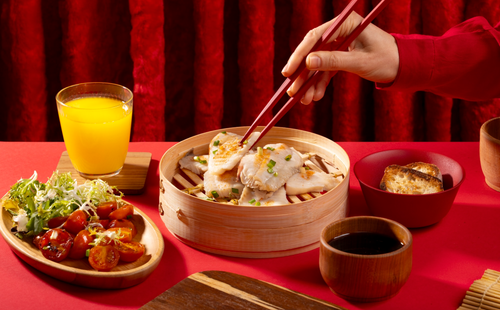
Dumplings are one of the strongest symbols of wealth during the Chinese New Year, as their shape resembles ancient Chinese gold ingots. In many households, they are enjoyed late at night or early in the morning, making them a popular Chinese New Year breakfast food believed to “start the year rich”. Families often prepare dumplings together, reinforcing the idea that prosperity is built collectively, not alone.
Whole Steamed Fish (年年有余)
Fish is served whole, head and tail intact, to symbolise abundance from beginning to end. The phrase “nian nian you yu” sounds like “surplus every year,” making fish one of the most auspicious centrepieces on the table. Traditionally, part of the fish is left uneaten to represent having more than enough to carry into the year ahead.
Poon Choi (盆菜)
Poon choi is layered rather than mixed, with premium ingredients placed on top to symbolise rising fortune. Often shared from one large basin, it reflects collective prosperity and the idea that success grows when shared. Commonly served at reunion dinners, it also represents abundance flowing from generation to generation.

Nian Gao (年糕)
Its sticky texture represents strong bonds and continuity, while the way it is sliced and shared reflects hopes for steady improvement rather than sudden gain. Often enjoyed during the festive period, nian gao is associated with progress that builds over time, with many families eating it slowly to symbolise success that lasts.
Spring Rolls (春卷)
Spring rolls are associated with wealth due to their golden, bar-shaped appearance, resembling gold bars. Served hot and crisp, they symbolise fresh beginnings and financial opportunity. Their name also links to the arrival of spring, reinforcing ideas of renewal and new income in the year ahead.

Image From Freepik
Dried Oysters (蚝豉)
Slow-braised and rich in flavour, they are associated with wealth that comes through patience and effort. This dish is especially common in Cantonese celebrations and is often served as part of reunion meals to reflect hopes for financial stability.
Eight Treasure Rice (八宝饭)
The number eight is strongly linked to wealth in Chinese culture, making this dessert particularly auspicious. Made with glutinous rice and layered with dried fruits, nuts, and seeds, it symbolises abundance, sweetness, and a full life. It is often served at the end of a meal as a hopeful closing to the celebration.
Lotus Root Stuffed with Glutinous Rice (糯米藕)
Lotus root symbolises continuity and abundance due to its many holes, which are believed to represent unbroken opportunities. When stuffed with sticky rice and sliced, it reveals a beautiful pattern, reinforcing the idea that prosperity should be both visible and shared. The dish is often associated with harmony and long-term fortune.

Shrimp / Prawns (虾)
Shrimp are associated with happiness and wealth, partly due to the sound they make when cooked, which resembles laughter. Their curved shape and bright colour are also linked to vitality and success.
Longevity & Health

Longevity Noodles (长寿面)
Longevity noodles are a classic traditional Chinese New Year food, closely tied to wishes for long life and good health. Served in long, unbroken strands, they are meant to be eaten gently and without cutting, often accompanied by well-wishes spoken aloud at the table. Conversations during this dish tend to centre on health, smooth journeys ahead, and hopes for the year to unfold without obstacles.
Whole Chicken (全鸡)
A whole chicken symbolises completeness and unity, with its intact form representing a full and balanced year. It is commonly placed at the centre of the table and shared evenly, reflecting the belief that good health should be distributed fairly among family members.

Image From Freepik
Buddha Jumps Over the Wall (佛跳墙)
This rich, slow-cooked stew is associated with nourishment, vitality, and longevity because it is made with premium ingredients such as abalone, sea cucumber, dried scallops, fish maw, mushrooms, and ginseng. Traditionally simmered for many hours and served only on special occasions, it reflects abundance and care, encouraging diners to slow down and savour the meal
Ginseng Chicken Soup (人参鸡汤)
Ginseng chicken soup is valued for its restorative qualities and is often served as a reminder to care for one’s energy and well-being in the year ahead.

Image From Freepik
Herbal Duck (药材鸭)
It is often enjoyed during longer meals, where stories are shared between generations, reinforcing the belief that longevity is supported by both nourishment and connection.
Spinach with Wolfberries (菠菜枸杞)
This simple dish is associated with vitality and clarity, balancing heavier festive foods with freshness. Its bright colours are thought to support wellbeing, and it is often served as a reminder that health comes from harmony rather than excess.
Laba Congee (腊八粥)
Made with a mix of grains and beans, it symbolises resilience and nourishment built from diversity. It is commonly enjoyed quietly, making space for thoughtful conversation and appreciation.
Snow Fungus Soup (银耳汤)
Snow fungus symbolises resilience and long life, as it softens and expands when simmered. It is often cooked with red dates for vitality, dried longan for harmony, and goji berries for wellbeing. Lightly sweet and soothing, this soup is typically served at the end of a meal as a gentle wish for calm health and steady energy in the year ahead.

Image From Freepik
Black Sesame Soup (黑芝麻糊)
With its deep colour, often associated with vitality. Smooth and warming, it is usually served towards the end of a meal, encouraging calm conversation and a sense of comfort that lingers beyond the table.
Happiness & Good Luck

Lo Hei / Yu Sheng (鱼生/捞起)
Lo Hei is one of the most recognisable Chinese New Year dishes in Singapore, enjoyed as a shared experience rather than a plated meal. Everyone stands around the table, using chopsticks to toss the ingredients together while calling out auspicious phrases. The act of lifting the salad higher and higher turns eating into a moment of laughter, movement, and collective participation.
Tang Yuan (汤圆)
Tang yuan, with their round shape and soft texture, symbolise reunion and harmony. Often served warm and shared among family members, they reflect the idea that happiness feels complete when everyone is gathered together.

Image From Freepik
Mandarin Oranges (柑橘)
Mandarin oranges are commonly exchanged during visits, making them a visible sign of goodwill. Their bright colour resembles gold, while their round shape represents wholeness. Offering oranges to guests is a simple but meaningful way to pass on wishes for luck and happiness.
Red Dates (红枣)
Red dates symbolise joy and positivity, with the colour red traditionally linked to celebration and good fortune. Often used in desserts or sweet soups, they quietly reinforce wishes for warmth, emotional well-being, and happiness throughout the year.
Pineapple Tarts (黄梨挞/凤梨酥)
Pineapple tarts are a must-have during Chinese New Year, especially in Southeast Asia, where the name “huang li ta” is more commonly used in places like Singapore and Malaysia.
In the Hokkien dialect, pineapple is called “Ong Lai” which sounds like “prosperity arrives” making these tarts a symbolic treat for welcoming good luck. As one of the most popular Chinese New Year snacks, they are usually served in jars for guests to enjoy freely throughout the day, often paired with tea.

Candy Tray (全盒)
The candy tray is less about a single dish and more about abundance. Filled with assorted sweets, seeds, and candied fruits, it invites guests to help themselves freely. A gesture that symbolises openness, generosity, and a year filled with pleasant moments.
Fa Gao (发糕)
Fa gao is easily recognised by its cracked top, which is seen as luck “blooming” or rising. Traditionally made in auspicious colours such as red, pink, or yellow, it visually represents joy, celebration, and good fortune. The more it opens, the more auspicious it is believed to be. Light, airy, and mildly sweet, fa gao is usually shared during gatherings or placed on the table as a symbolic treat
Sesame Balls (芝麻球)
Sesame balls are associated with joy and success, as they puff up when fried, symbolising growth and positivity. With their crisp exterior and soft centre, they are a cheerful addition to festive spreads and are often enjoyed casually between conversations, making them a familiar favourite among New Year dishes that Chinese families share during the celebration.

Image From Freepik
Red Bean Soup (红豆汤)
Red bean soup is linked to happiness and emotional warmth, with red beans symbolising joy and affection. Often served warm, it brings a sense of comfort and calm, especially during quieter moments of the celebration.
Osmanthus Jelly (桂花糕)
Osmanthus jelly is made by simmering osmanthus flowers with sugar before setting the mixture into soft, translucent layers. Some versions are lightly filled with red bean paste or glutinous rice for added texture. Delicately floral and lightly sweet, it is sliced into small pieces and enjoyed slowly, symbolising gentle happiness and refined joy for the year ahead.
Tips for Hosting a Meaningful Reunion Dinner
A meaningful reunion dinner is shaped by intention, not extravagance. When the right atmosphere is created and thoughtful dishes are shared, the table becomes a place where generations connect and traditions come to life.

Image From Freepik
With the tips below, together with our recommended list of lucky Chinese New Year dishes. You and your family can host a reunion dinner that feels warm, harmonious, and truly auspicious as you welcome 2026.
|
Focus Area |
Practical Tips |
|
Plan Ahead |
Start planning early, especially for larger families, so you can choose a date and setting that works for most people. Early planning also helps keep the occasion calm rather than rushed. |
|
Share the Work |
Involve family members in cooking, set-up, or clean-up. Sharing responsibilities not only reduces stress for the host but also adds to the feeling that everyone is part of the celebration. |
|
Communicate Clearly |
Use a group chat or shared platform to update everyone on the menu, timing, or dress expectations. Clear communication helps avoid last-minute confusion. |
|
Keep Costs Comfortable |
Set a sensible budget early on and agree on whether costs are shared. This keeps the focus on togetherness rather than pressure or comparison. |
|
Simplify the Menu |
Choose dishes that can be prepared ahead or served family-style. A relaxed menu allows you to spend more time at the table instead of in the kitchen. |
|
Create a Warm Atmosphere |
Use soft lighting, simple centrepieces, and uncluttered tables so conversations can flow easily across generations. |
|
Set the Mood with Music |
Play gentle, familiar background music that feels nostalgic without overpowering conversation. |
|
Plan Inclusive Activities |
Include simple activities that everyone can enjoy, such as sharing old photos, telling family stories, or playing light-hearted games to break the ice. |
From Lucky Dishes to Lucky Spaces
Enjoying the holiday is important, but creating space for rest and balance is what allows its blessings to last.
One of the most meaningful places to begin is the bedroom. The space where we rest, reset, and return each night. Refreshing this space becomes a simple yet powerful way to invite sustained prosperity, clarity, and good fortune into everyday life.
Refresh With Colours
Updating bedsheets symbolises renewal and a fresh start for the year ahead. Rich tones such as Merlot Red and Burnt Orange, seen in Weavve ’s TENCEL™ Bedsheet Collection, bring warmth, confidence, and energy into the bedroom. These colours echo traditional auspicious shades associated with prosperity, while still feeling modern and grounding for daily living.

Featuring Weavve’s Signature TENCEL™ Classic Set in Burnt Orange
In Chinese culture, many people also choose colours based on feng shui, believing that the right hues can invite luck, happiness, and positive energy into their lives. According to 2025 Lucky Colours For Your Chinese Zodiac, Merlot Red is often associated with vitality, and confidence, making it a favourable shade for zodiac signs such as the Dragon, while Burnt Orange is linked to warmth, motivation, and steady progress, commonly aligned with the Horse.
Weavve offers a wide range of hues in the Signature TENCEL™ Collection, making it easy to find a shade that suits your zodiac, your space, and the way you want your home to feel.

Featuring Weavve’s Signature TENCEL™ Classic Set in Merlot Red
Reset the Atmosphere With Scents
Scent is one of the quickest ways to shift the mood of a space. It is often used as a way to clear out the old and welcome fresh energy. Using a room spray mist helps refresh the bedroom instantly, marking a gentle transition from festive gatherings to calmer, more intentional nights.
When choosing the best room spray for extra soothing nights, opt for scents that feel grounding and restorative, supporting both rest and a positive start to the new year.
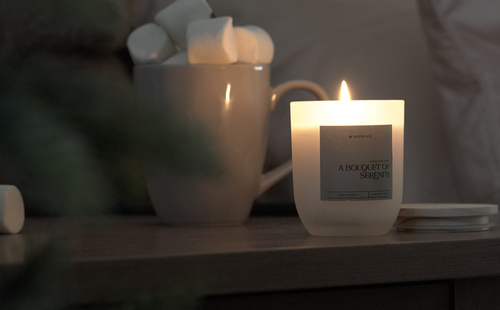
Beyond room sprays, Weavve’s scents are also available in soy candles, reed diffusers, and thoughtful gift sets, offering different ways to maintain a refreshed, auspicious atmosphere based on your daily rituals and personal preference.

Featuring Weavve’s The Serenity Edit Gift Set - Fragrance Mist Trio
Frequently Asked Questions
Is Chinese food lucky on New Year's?
Yes, certain Chinese dishes are believed to bring luck in the New Year, each carrying its own meaning. Dumplings for wealth, fish for abundance, long noodles for longevity, and spring rolls for prosperity. All cherished symbols of happiness and good fortune at the festive table.
What are the top 5 Chinese dishes?
China’s most beloved dishes span from crowd-pleasers like Dumplings, Peking Duck, and Kung Pao Chicken to communal favourites such as Hot Pot, while regional highlights like fiery Ma Po Tofu and comforting Chow Mein celebrate the country’s rich and varied culinary heritage.
What are the 8 traditional Chinese cuisines?
The 8 Chinese New Year food symbols reflect China’s eight traditional regional cuisines, each carrying its own story, flavour, and symbolism for prosperity and harmony. These are:
-
Cantonese (Guangdong): Known for its delicate, balanced flavours and dim sum traditions symbolising unity and joy.
-
Sichuan: Famous for its bold, spicy dishes representing strength and vitality for the new year.
-
Shandong: Renowned for seafood and hearty soups, symbolising abundance and wealth.
-
Jiangsu: Elegant, slightly sweet dishes that signify refinement and smooth beginnings.
-
Zhejiang: Fresh, mellow flavours symbolising peace and a calm year ahead.
-
Fujian: Emphasises umami-rich broths and seafood, representing blessings and prosperity.
-
Hunan: Spicy, aromatic cuisine symbolising passion, energy, and good fortune.
-
Anhui: Earthy, mountain-inspired dishes that stand for simplicity and natural abundance.
What is the big 3 in Chinese cooking?
The big 3 in Chinese cooking refer to the three essential flavour foundations that define most traditional dishes: soy sauce, rice wine, and sesame oil.
-
Soy Sauce: Adds depth, savouriness, and colour. The backbone of countless stir-fries, marinades, and dipping sauces.
- Rice Wine: Brings subtle sweetness and aroma, balancing strong flavours while tenderising meats.
- Sesame Oil: Adds a nutty fragrance and finishing touch, symbolising warmth and prosperity in Chinese cuisine.
What is the most popular CNY snack?
One of the most popular Chinese New Year snacks is pineapple tarts, loved for their buttery crust and sweet-tangy filling that symbolises prosperity and good fortune.
What are the snacks for Lunar New Year for kids?
Popular Chinese New Year snacks for kids include pineapple tarts, peanut cookies, love letters (egg rolls), sesame balls, melon seeds, rice crackers, and sweet glutinous rice cakes (nian gao). All festive treats that are fun to eat and carry wishes for luck and happiness in the new year.
What to eat for breakfast for Chinese New Year?
Traditional Chinese New Year breakfast food often includes comforting and symbolic dishes such as longevity noodles, dumplings, glutinous rice balls (tang yuan), steamed buns, and congee with pickles or eggs
Carrying Good Fortune Into the Year Ahead
From reunion dinners filled with symbolic foods to quieter rituals that extend into everyday life, these traditions remind us that luck is something we nurture, not rush. Each of the lucky Chinese New Year dishes shared during the festive season carries a wish for abundance, health, harmony, or joy, turning every meal into a meaningful gesture for the year ahead.
As you prepare to welcome 2026, may your table be filled with warmth, your home with calm renewal, and your days with steady good fortune. Whether through shared dishes, thoughtful rituals, or a refreshed space for rest, we hope the year ahead brings you comfort, balance, and many moments worth celebrating.
Visit Weavve Home to bring more calm, comfort, and intentional rest into your home. Happy New Year!